Borrowed Souls: What Real People Taught Me About Writing Characters
Borrowed Souls: What Real People Taught Me About Writing Characters
When I first started writing, it wasn’t with any grand plan in mind. I was working reception, and I needed something to occupy the quieter stretches of the day.
After years as a PA and admin assistant in busy offices, reception felt like a step back. But it was the GFC, the company I’d been working for had folded, and I wasn’t complaining. Reception was fun, but it naturally involved periods of waiting between tasks, where being present and available was the job.
The truth is, I didn’t mind.
I’d never really had a job that wasn’t flat tack. Having space to daydream felt like a luxury. And that’s where my drafting began.
The industry I’d moved into was very different from my previous office roles. Where I’d once worked in heavily female-dominated environments, this was an old-school, male-dominated space. And it was fascinating.
I was itching for characters, and suddenly I was surrounded by them.
Drafting stories sharpened my awareness in a way I hadn’t expected. I began to notice how much personality you can glean from just a sliver of behaviour. One dominant trait, one repeated habit, one emotional tell—and suddenly you have the beginnings of a character.
From there, my observation widened. Friends. Family. Strangers. Even animals.
The way my dog could be sneakily guilty in one moment and brazenly innocent the next.
A stranger at the bus stop, visibly furious because the bus was late, snapping at the driver and fellow passengers.
A regular “bus buddy” erupting in rage when someone calmly pointed something out, followed by the shocked hush from everyone else on board.
Every interaction fed the characters and scenes forming in my head.
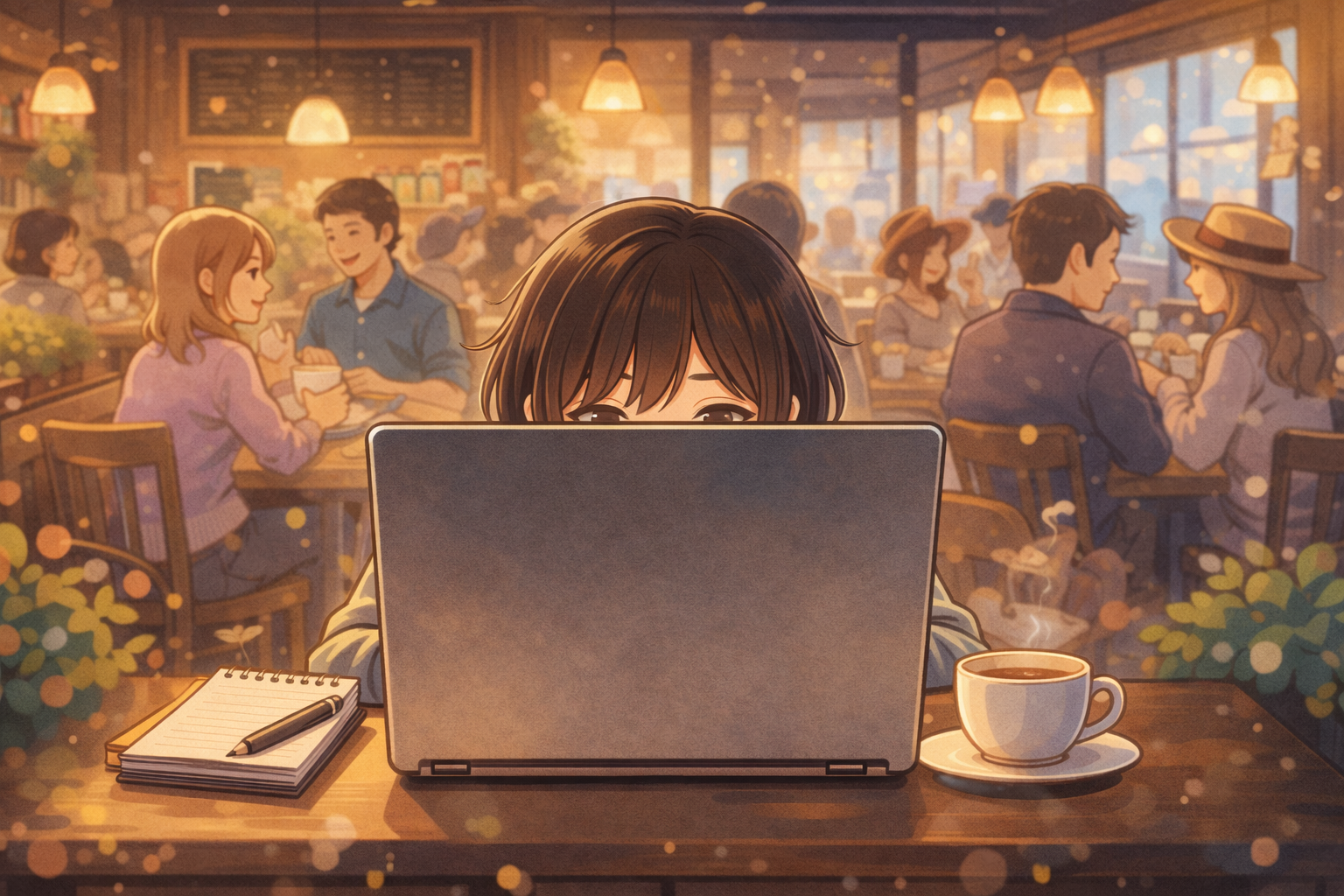
I even started choosing cafés for my lunch breaks specifically so I could observe more. I understand introversion well—my quiet time replenishes me—but I discovered I could be a very content introvert while studiously observing humans in busy spaces. It transformed my dialogue and helped me flesh out characters whenever they started to feel flat.
One of my main characters, in fact, was inspired by a close friend at the time. I captured her so closely that she could often say the line out loud before I got there. We laughed about it more than once.
But when it came time to rewrite my trilogy, I realised I’d made a mistake.
Characters need nuance. They need contradictions. Loves and hates. Sharp moments and caring ones. The friend who inspired that character was, in real life, a kind of social chameleon—able to move easily between groups, fitting in wherever she went, with a wide circle of friends.
That’s a wonderful trait in a real person.
In a fictional character, though, it made her blur. She blended too easily. She lacked edges. What worked beautifully in life translated into a character who felt unchallenged and unchallenging on the page.
That was an important lesson in character development.
Real people are a starting point, not a finished template. The goal isn’t to recreate someone exactly as they are, but to distil, exaggerate, and reshape what makes them interesting. When I rewrote that character, I stopped trying to honour the real person and focused instead on the person who lived in my head.
Giving her sharper contrasts and clearer wants made her come alive.
Borrowing from reality taught me how to see people more clearly. Letting go of strict fidelity to real life taught me how to write better characters.
Earlier in this series:
I explore the long, quiet side of the writing process in The Book That Took Years to Write, where I reflect on how years of thinking can shape a story long before drafting begins.
These lessons came from rewriting my BirthRight Trilogy—now available in its newly refined, final form here.