Method Writing: What Living Taught Me That Writing Couldn’t
Method Writing: What Living Taught Me That Writing Couldn’t
My BirthRight trilogy starts on Earth, but it doesn’t stay there for long. Very quickly, the story shifts to an entirely new world—literally another planet—and with that came a whole host of experiences I needed to write convincingly.
My four main characters, Cat (the true protagonist) and her friends Kassie, Loi, and Sian, are fairly average Kiwi girls. They meet through ju-jitsu, which features throughout the books as part of their training.
There was just one small problem.
When I wrote the first book, I had never done ju-jitsu.
I knew, thanks to Google, that it’s often recommended for women because it teaches you to use an opponent’s strength and weight against them, rather than relying on sheer muscle or speed like MMA. That mattered to me. I didn’t want my characters to feel superhuman. I wanted their skills to feel understandable and believable—mostly. It is fantasy, after all (some stretching is allowed).
But knowing about something and knowing how it feels are two very different things.
At first, I did what most writers do. I read articles. I watched YouTube videos. Lots of YouTube videos. I even found a particularly adorable clip of a small girl calmly taking down a much bigger boy.
Eventually, I bit the bullet.
I signed up for an introductory ju-jitsu class.
It. Was. AWESOME.
I also completely sucked at it. And I walked away with bruises all down my spine from learning how to fall “correctly”. But more importantly, I came away with a physical understanding of how it should read on the page—the balance, the proximity, the awkwardness, the effort.
When I reached book two, the story went deeper into training. More Googling followed, and to my surprise (and absolute delight), I discovered long sword training offered just fifteen minutes from my house.
Heck yes.
Unlike ju-jitsu—which never made it past the intro stage thanks to awkward class times—I stuck with sword training for six months. After the very first lesson, I went home and rewrote an entire chapter.
Swordplay in real life is nothing like the videos.
That lesson stuck with me. First-hand experience doesn’t just add flavour. It fundamentally changes how you describe movement, weight, timing, and effort. It teaches you what matters and what doesn’t.
Unfortunately, I never managed to try archery in person. Around the time I wanted to give it a go, the first Hunger Games movie had just come out, and every archery class within reach was booked solid. You can only do what you can, where you can.
As for the griffon flying scenes? I improvised.
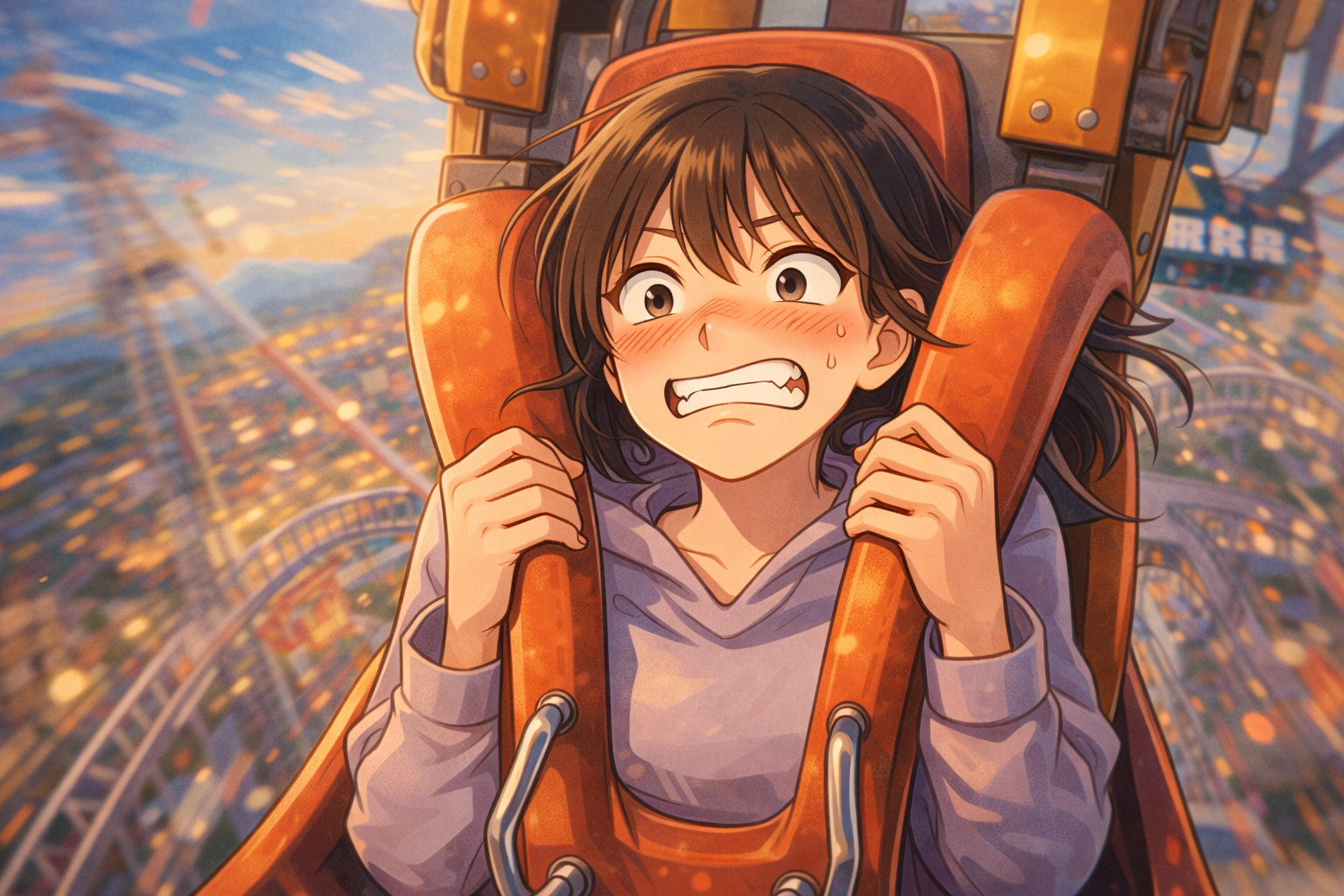
On a theme park visit, I deliberately chose rides that I thought would emulate the sensation I was trying to capture. For the record, I hate scary rides, so this was a teeth-gritting exercise in commitment. But that feeling of swooping through the air lodged itself firmly in my memory—and I still know exactly how to describe it on the page.
Writing is often treated as a purely behind-the-scenes activity. But I’ve learned that, for certain kinds of scenes, living a fragment of the experience is worth more than hours of research.
Method writing doesn’t mean you have to do everything yourself. It means recognising when first-hand experience can teach you something research alone can’t—and being willing to step into the world a little to serve the story better.
Earlier in this series:
In Borrowed Souls, I write about how observing real people helped me create more believable characters on the page.
These lessons came from rewriting my BirthRight Trilogy—now available in its newly refined, final form here.