When Is a Book Actually Finished?
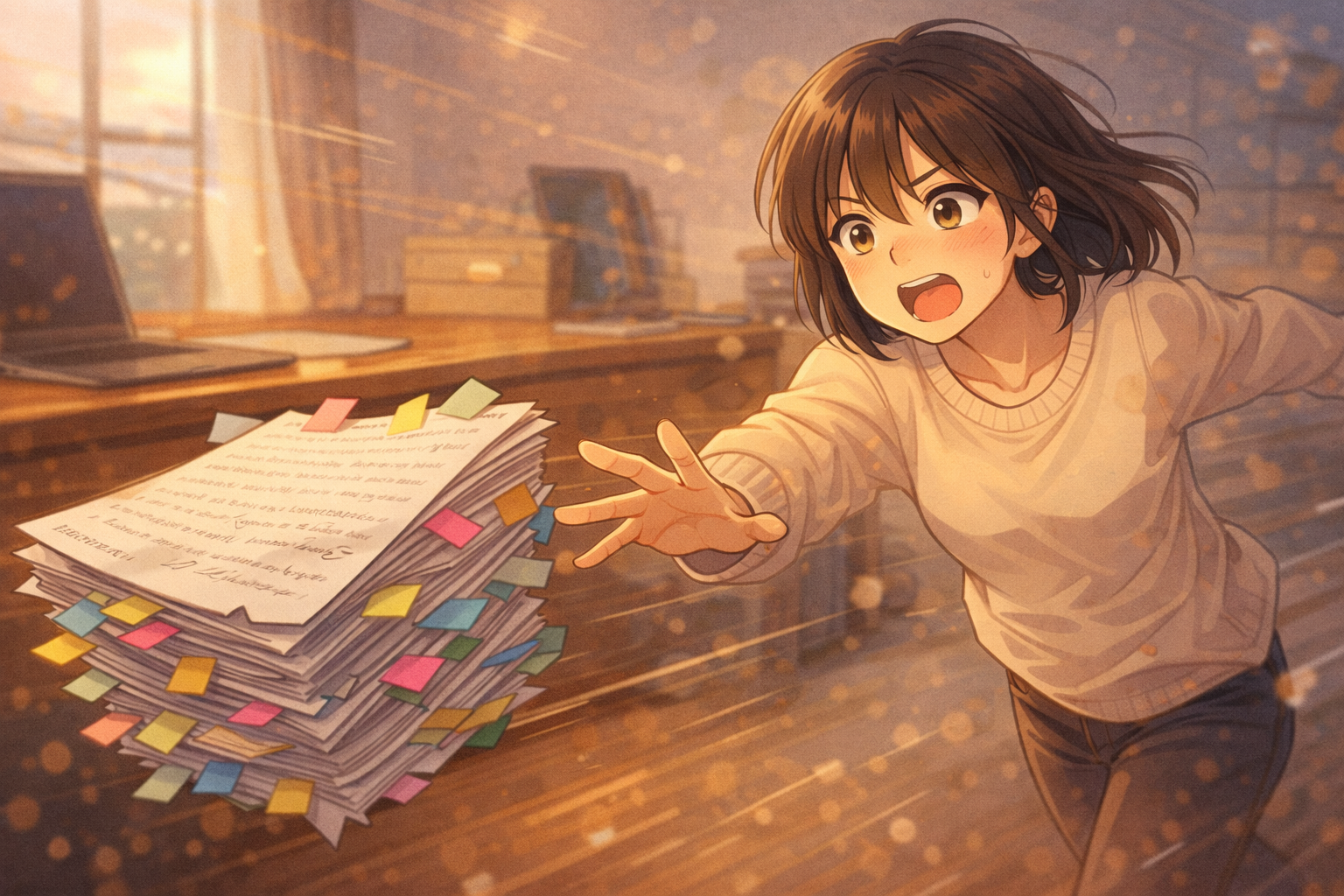
When Is a Book Actually Finished?
One of the great gifts of being an indie author is freedom.
No one owns your work but you. With the right contracts in place, you can even sell specific rights for limited periods—allowing a publishing company to handle print editions for a set number of years, for example—while still retaining control of the underlying story.
That freedom also comes with a less celebrated side effect.
You can keep working on your books.
Indefinitely.
And while I will wholeheartedly defend my decision to revisit and refine my trilogy yet again, the honest question I’ve had to sit with is this:
Should I have?
Over the last couple of years, while I was rewriting, polishing, and preparing the trilogy for re-release, other drafts quietly slipped into the background. They didn’t disappear—they waited. The voices attached to them (one per story, which gets surprisingly noisy) grew muffled, but never fully went away.
Realistically, I could have finished at least one of those drafts by now. One of them is very close to the end.
Instead, I returned to a trilogy that had already been written, published, rewritten, and published again.
This is the reality of indie writing.
Without a gatekeeper, when are you really done?
When do you have to pry a project away from your own busy mind and move on to the next one?
And if no one is there to stop you… can you stop yourself?
For me, the answer is complicated.
I still believe rewriting the trilogy was the right decision. It aligned the books with who I am now, not who I was when I first wrote them. That matters. But it also forced me to confront a boundary I can’t ignore forever.
This is the last time.
The challenge is that writing is a skill that doesn’t stand still. You learn every year. You improve every year. And when you look back at older work with newer eyes, it’s almost impossible not to feel that twitchy urge to fix things.
That urge isn’t wrong.
But it isn’t always helpful.
What I’ve learned is this: my best writing isn’t happening in the endlessly revised past. It’s happening in the drafts that only exist for me. In the new worlds. In the stories that haven’t yet been smoothed, second-guessed, or over-polished.
At some point, finishing a book isn’t about perfection. It’s about trust.
Trusting that the work you released was good enough for the version of you who wrote it. Trusting that growth doesn’t require you to constantly circle backward. And trusting that the next story deserves your attention more than the last one deserves another tweak.
Being an indie author means having the freedom to revise forever.
Being a writer means knowing when to stop.
Earlier in this series:
In The Rewrite That Required More Honesty Than Courage, I reflect on the fear and self-censorship that can quietly shape a book long before it feels finished.
These lessons came from rewriting my BirthRight Trilogy—now available in its newly refined, final form here.